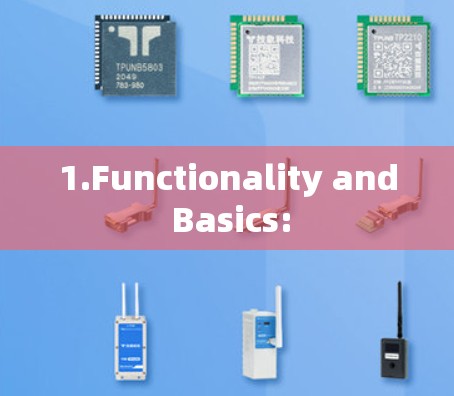

OpenConnect is a versatile wireless communication protocol designed for seamless device-to-device connectivity without the need for a central infrastructure. Here's a detailed overview of its key aspects and applications:
- OpenConnect enables devices to communicate wirelessly, eliminating the need for a central hub.
- It utilizes beacons or transmitters to send signals, which other devices can receive to establish connectivity.
-
Location Determination:
Beacons use timing or signal strength to determine the location of connected devices, often relying on reference points or other beacons within the network.
-
Network Support:
Supports multiple devices, including IoT devices, smart cars, and environmental monitoring systems, making it suitable for various applications.
-
Differentiation and Versions:
OpenConnect offers several versions (e.g., OpenConnect 1, 2, 3), each with improvements in accuracy, functionality, and support for diverse devices.
-
Applications Beyond Smart Home Devices:
Used in environmental monitoring, industrial settings, and smart home systems, where multiple devices connect through a common point.
-
Connectivity and Limitations:
- May require direct or indirect connections depending on the network setup.
- Performs well in environments with limited or unreliable direct connections.
-
Tools and Platforms:
Supports various technologies with APIs and SDKs, enabling developers to integrate OpenConnect into applications.
-
Future Considerations:
- Plans to expand support for more complex devices and advanced processing capabilities.
- Limited to low-power devices due to the nature of wireless communication.
In conclusion, OpenConnect is a powerful tool for efficient and flexible wireless communication, with broad applications and evolving features to meet diverse needs.